
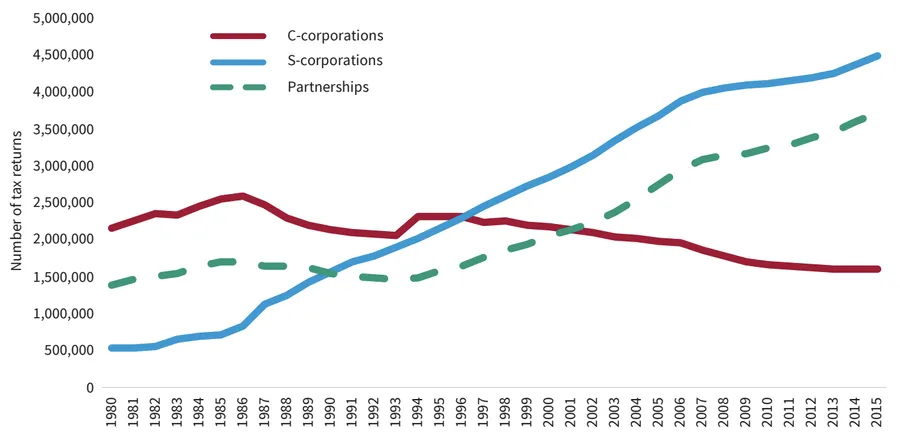
The Delicate Balance Between Revenue and Growth
Taxation is one of the most powerful tools governments have. Get it right, and it can fund roads, schools, and research that fuel long-term prosperity. Get it wrong, and it can discourage work, investment, and innovation, ultimately slowing the economy.
Quick Answer: How Taxation Policies Affect Economic Growth
Taxation affects growth through incentives and revenue. High marginal tax rates can discourage work, saving, and investment. Corporate taxes reduce after-tax returns on capital, slowing business expansion and job creation. However, taxes also fund public goods like infrastructure and education that support growth. Studies show that moderate, broad-based, and predictable tax systems tend to support stronger long-term economic growth than very high or highly distortive ones.
How Taxes Influence Economic Growth
Taxes affect the economy in three main ways: they change incentives for individuals and businesses, they generate revenue for public investment, and they influence resource allocation. When taxes are too high or poorly designed, they create deadweight loss — economic activity that simply doesn’t happen because it becomes unprofitable or too risky.
Corporate Taxes and Business Investment
Corporate income tax directly reduces the return on investment. When companies keep less profit after tax, they have less money to reinvest in new factories, technology, or hiring. Many studies, including those from the OECD, show that a 10 percentage point increase in the corporate tax rate can reduce GDP growth by 0.2–0.5 percentage points in the long run. Countries that lowered corporate rates in recent decades often saw increased foreign direct investment.
Personal Income Taxes and Labor Supply
High marginal income tax rates can discourage people from working extra hours, starting businesses, or pursuing higher-paying jobs. When workers keep only a small portion of additional earnings, the incentive to be more productive decreases. Research from the IMF and academic economists suggests that labor supply is more sensitive to taxes in the upper income brackets.
Consumption Taxes and Economic Activity
Value-added tax (VAT) and sales taxes are generally considered less harmful to growth than income taxes because they tax spending rather than earning or investing. However, very high consumption taxes can reduce consumer demand. Many European countries use broad-based VAT systems with relatively high rates but combine them with lower income taxes to balance revenue and incentives.
Key Data and Evidence
- Countries with corporate tax rates below 20% have on average attracted significantly more foreign investment than those above 30%.
- A 1% increase in the tax-to-GDP ratio is associated with a 0.1–0.3% reduction in annual GDP growth in many empirical studies.
- Nations that simplified their tax codes and reduced loopholes often experienced improved compliance and higher revenue without raising rates.
Finding the Optimal Tax Rate
There is no single “perfect” tax rate that works for every country. The Laffer Curve illustrates that revenue rises with tax rates up to a point, then falls as economic activity is discouraged. Most economists agree that extremely low taxes limit public investment, while extremely high taxes suppress private sector dynamism. The sweet spot depends on a country’s stage of development, administrative capacity, and spending efficiency.
Real-World Country Examples
Ireland’s low corporate tax rate (12.5%) helped transform it into a major European hub for technology and pharmaceutical companies. Singapore combines moderate taxes with excellent public services and strong institutions, achieving consistently high growth. On the other hand, some countries with very high tax burdens and complex systems have struggled with low investment and slow growth despite rich natural resources.
Best Practices for Growth-Friendly Taxation
- Keep marginal rates moderate and tax bases broad
- Minimize loopholes and special exemptions
- Shift toward consumption-based taxes where possible
- Ensure tax administration is efficient and transparent
- Use tax revenue productively on infrastructure and human capital
FAQs – How Taxation Policies Affect Economic Growth
Are low taxes always better for growth?
Not necessarily. Extremely low taxes can starve governments of resources needed for roads, education, and security — all foundations for sustainable growth.
Do progressive taxes hurt the economy?
Moderate progressivity can be compatible with growth if it funds productive public investments. Excessive progressivity can reduce incentives for high earners and investors.
Can tax cuts pay for themselves?
In some cases, dynamic scoring shows that well-designed tax cuts can recover part of the lost revenue through increased economic activity, but rarely 100%.
Conclusion: Smart Taxation Supports Sustainable Growth
Taxation is not just about raising revenue — it is about shaping economic incentives. Well-designed tax policies can encourage work, saving, investment, and innovation while providing the public goods that make long-term growth possible. The key is balance: enough revenue for essential services without creating excessive distortions or disincentives. Countries that get this balance right tend to enjoy stronger, more inclusive, and more sustainable economic growth.
Related reading: effects of government debt on economic growth explained, how exchange rates affect a country’s economy explained, and how public policies are created step by step.
Data Sources & References
OECD Tax Database, IMF Fiscal Monitor reports, academic studies on taxation and growth (including works by Romer & Romer, Mertens & Ravn), World Bank Doing Business indicators, and national tax policy evaluations.