
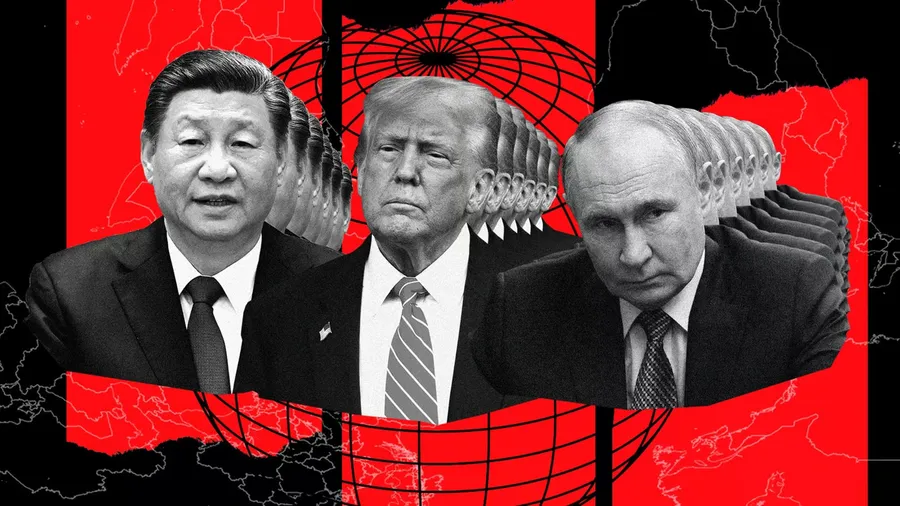
Who Really Runs the World?
In 2026, a handful of nations wield disproportionate influence over global politics. Their decisions on trade, security, technology standards, and climate policy affect billions of people. Understanding how these superpowers exercise power helps explain current tensions and future shifts in the international order.
Quick Answer: Global Superpowers and Their Influence
The dominant global superpowers in 2026 are the United States, China, and Russia. The US leads through military alliances (NATO), the dollar’s reserve currency status, and technological innovation. China exerts influence via massive trade networks, infrastructure projects (Belt and Road), and rapid technological advancement. Russia relies on energy exports, nuclear arsenal, and strategic military positioning. Their competition shapes trade rules, security alliances, technology standards, and responses to global challenges like climate change.
What Defines a Global Superpower?
A superpower possesses unmatched military reach, economic scale, technological leadership, and cultural/soft power that allows it to influence events far beyond its borders. Today, only a few nations meet most of these criteria. Military spending offers one clear measure: the United States accounts for roughly 40% of global military expenditure.
The United States: Still the Preeminent Power
The US maintains the world’s most powerful military with global bases, advanced technology, and strong alliances like NATO (32 members). The dollar remains the dominant reserve currency, used in approximately 88% of international transactions. American companies lead in technology, entertainment, and finance. However, domestic polarization and competition from China challenge its dominance in some areas.
China: The Economic and Technological Challenger
China has become the world’s manufacturing powerhouse and largest trading partner for over 120 countries. The Belt and Road Initiative has invested hundreds of billions in infrastructure across Asia, Africa, and beyond. China leads in 5G deployment, electric vehicles, solar panels, and artificial intelligence patents in many fields. Its military modernization and assertiveness in the South China Sea and Taiwan Strait are reshaping regional security dynamics.
Russia: Energy Powerhouse with Military Reach
Russia remains a nuclear superpower and major energy supplier. Despite sanctions after 2022, it has redirected oil and gas exports and maintained influence through military interventions and alliances. Its nuclear arsenal and hypersonic weapons give it significant deterrent power. However, economic isolation has limited its long-term growth prospects.
Other Important Players
The European Union acts as a normative superpower through regulations and single market power. India is rising rapidly in population, economy, and technology. Regional powers like Brazil, Turkey, and Saudi Arabia exert significant influence within their spheres.
Great Power Competition in 2026
Competition between the US and China dominates global politics, affecting supply chains, technology standards (e.g., semiconductors), and alliances. Russia’s actions have strengthened NATO unity while pushing some countries toward alternative partnerships. Proxy conflicts, cyber operations, and economic tools have become primary arenas of rivalry.
Future Outlook for Global Influence
Multipolarity is increasing. No single power can dominate every domain. Coalitions and issue-based alliances (e.g., on climate or AI governance) will likely grow in importance. Technological leadership, especially in artificial intelligence and green energy, may determine future superpower status more than traditional military metrics alone.
FAQs – Global Superpowers and Their Influence
Is China already a superpower?
Yes in economic and technological terms; it is approaching parity with the US in several domains but still trails in global military alliances and soft power.
Can the US maintain its position?
It retains significant advantages but faces challenges from domestic issues and rising competitors. Alliances remain a key strength.
How do smaller countries navigate superpower rivalry?
Many pursue hedging strategies — maintaining ties with multiple powers while protecting core interests.
Conclusion – A Shifting Balance of Power
Global superpowers continue to shape world politics through a mix of hard power (military and economic) and soft power (culture and values). The United States, China, and Russia remain the most influential, but the system is becoming more multipolar. Understanding these dynamics helps citizens and leaders anticipate risks and opportunities in an era of intense great-power competition.
Related reading: what causes international conflicts between countries, how global organizations like united nations work, and role of international law in global politics explained.
Data Sources & References
SIPRI military expenditure data, World Bank and IMF economic indicators, reports from the International Institute for Strategic Studies, and analyses from Brookings Institution and Carnegie Endowment.