
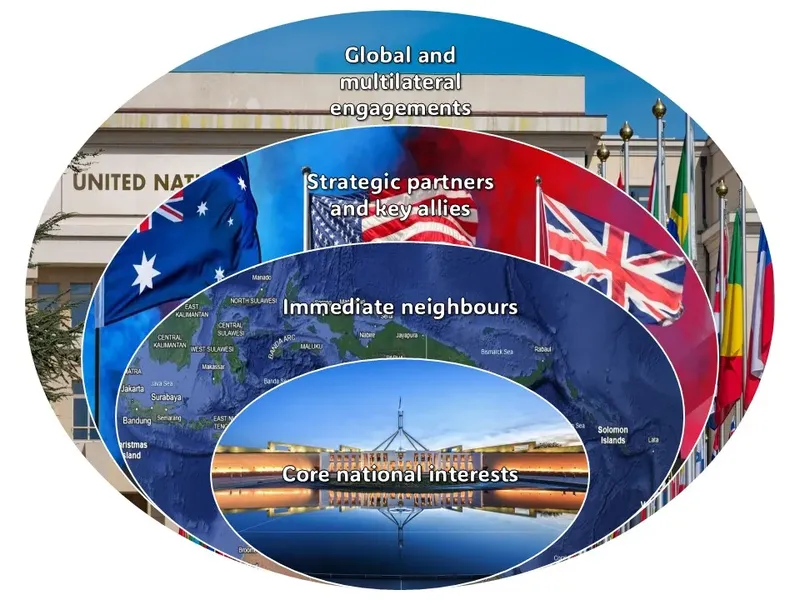
The Strategy Behind Global Interactions
Every country has goals — security, economic growth, influence, or spreading its values. Foreign policy is how governments pursue these goals in their dealings with the rest of the world. It determines who becomes an ally, who faces pressure, and how nations respond to crises. In today’s interconnected world, smart foreign policy can prevent wars, boost prosperity, or reshape entire regions.
Quick Answer: How Foreign Policy Shapes International Relations
Foreign policy is a country’s strategy for dealing with other nations. It uses diplomacy, trade agreements, sanctions, military alliances, aid, and cultural influence to protect interests and achieve goals. These choices directly shape international relations by building trust or creating tension, forming alliances like NATO, regulating global trade, and coordinating action on shared problems such as climate change and pandemics.
What Is Foreign Policy?
Foreign policy consists of the goals, strategies, and actions a government takes in its relations with other countries and international organizations. It reflects a nation’s values, security needs, and economic priorities. Leaders balance short-term crises with long-term objectives, always considering how actions will affect their country’s reputation and power.
Main Tools of Foreign Policy
- Diplomacy – Negotiations, summits, and embassies to build relationships.
- Economic tools – Trade deals, aid, tariffs, and sanctions.
- Military power – Alliances, deterrence, or direct intervention.
- Soft power – Culture, education, media, and values.
- Participation in international organizations – UN, WTO, regional blocs.
Diplomacy and Alliance Building
Diplomacy remains the most common tool. Successful diplomacy prevents conflicts and creates stable partnerships. For example, NATO, formed after World War II, has 32 member countries and has deterred major wars in Europe for decades. Bilateral and multilateral agreements shape everything from border security to space cooperation.
Economic Instruments in Foreign Policy
Trade agreements can tie economies together and reduce the chance of conflict. Sanctions, on the other hand, are used to pressure governments — as seen in cases involving Russia, Iran, and North Korea. Foreign aid builds goodwill and influence, especially in developing regions. These tools often have faster and more visible effects than military options.
Military Power and Security Policy
Military strength provides deterrence and credibility. Countries with strong defense capabilities can protect their interests and support allies. However, over-reliance on military solutions can lead to costly and prolonged conflicts. Most successful foreign policies combine credible military power with effective diplomacy.
Soft Power and Long-Term Influence
Culture, education, technology, and values can attract others without coercion. Countries that successfully promote their language, films, universities, and ideals often gain lasting influence. Soft power complements hard power and is especially important in winning hearts and minds in the information age.
Real-World Impact
The US “pivot to Asia” reshaped security dynamics in the Indo-Pacific. China’s Belt and Road Initiative has expanded its economic reach across continents. European Union foreign policy focuses heavily on norms, human rights, and climate leadership. These examples show how different approaches produce different patterns of international cooperation and competition.
FAQs – How Foreign Policy Shapes International Relations
Can one country’s foreign policy change the whole world?
Yes, especially when it comes from major powers. Decisions by the US or China often set global standards in trade, technology, and security.
Is foreign policy only about governments?
No. Companies, NGOs, and even influential individuals can shape international relations through economic or cultural activities.
How has foreign policy changed in recent years?
Greater focus on economic security, technology competition, supply chain resilience, and non-traditional threats like cyber attacks and climate change.
Conclusion – The Bridge Between National Interests and Global Order
Foreign policy is the main way countries translate their goals into actions on the world stage. When well-designed, it builds stable relations, promotes prosperity, and prevents conflict. When poorly managed, it can lead to tension, economic disruption, or even war. In our interconnected world, understanding how foreign policy works helps citizens evaluate their leaders’ choices and appreciate the complex forces that shape our shared future.
Further reading: global superpowers and their influence in world politics, how sanctions affect countries and economies, and role of international law in global politics explained.
Data Sources & References
Official government foreign policy documents, reports from the Council on Foreign Relations, Chatham House, and academic literature on international relations theory.