
A Powerful but Double-Edged Tool
Sanctions are one of the most frequently used foreign policy instruments in modern global politics. They aim to pressure governments to change behavior without resorting to military force. However, their effects are complex — they can significantly damage targeted economies, cause humanitarian suffering, and sometimes produce unintended political consequences.
Quick Answer: How Sanctions Affect Countries and Economies
Sanctions typically reduce a targeted country’s GDP by 1–10% or more, cause high inflation, restrict access to global finance and technology, disrupt trade, and lead to shortages. They often hurt ordinary people more than political leaders and can strengthen authoritarian regimes by creating a “rally around the flag” effect. Effectiveness varies widely depending on the goal and design.
Types of Sanctions
- Economic/Trade sanctions – Ban on imports/exports of specific goods (e.g., oil, technology).
- Financial sanctions – Freezing assets, restricting access to international banking systems like SWIFT.
- Targeted (smart) sanctions – Aimed at specific individuals, companies, or sectors rather than the whole economy.
- Comprehensive sanctions – Broad embargoes affecting almost all economic activity.
Direct Economic Effects
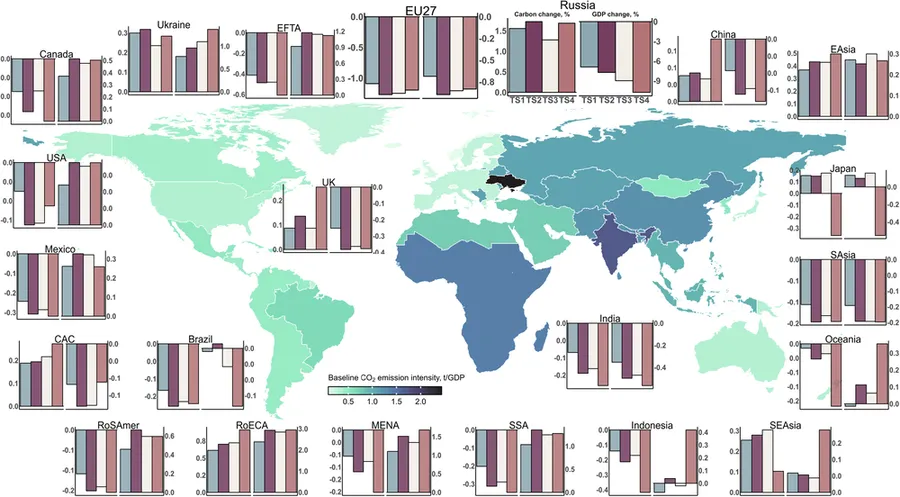
Sanctions reduce export revenues, limit imports of essential goods and technology, and cut access to foreign investment. GDP contraction is common. For example, after 2022 sanctions on Russia, analysts estimated an initial GDP drop of around 2–3% in the first year, with longer-term effects on growth due to technology restrictions. Inflation often surges as currencies weaken and supply chains break.
Impact on Ordinary Citizens and Living Standards
Citizens frequently bear the heaviest burden through higher prices for food, medicine, and fuel, unemployment in sanctioned sectors, and reduced public services. In Venezuela and Iran, sanctions contributed to sharp declines in living standards, increased poverty rates, and medicine shortages. Humanitarian exemptions exist on paper, but in practice they are often difficult to implement effectively.
Political Consequences and Regime Behavior
Sanctions can create a “rally around the flag” effect, where populations support their leaders against external pressure. They sometimes strengthen authoritarian control by allowing regimes to blame external forces for economic problems. However, prolonged severe sanctions can also fuel domestic discontent and opposition movements if the pain becomes unbearable.
Real Case Studies
- Russia (2022–present): Extensive sanctions led to reduced oil revenues, technology shortages, and estimated GDP contraction of 2–3% initially, with inflation peaking above 15%.
- Iran: Long-term sanctions have significantly damaged the economy, contributed to high inflation (often over 30–40%), and currency devaluation.
- Venezuela: Combined with internal policies, sanctions exacerbated economic collapse and hyperinflation.
Are Sanctions Effective?
Research shows mixed results. Sanctions succeed more often when goals are modest (e.g., releasing prisoners) and when broad international support exists. They are less effective at regime change. A major study found that only about one-third of sanctions episodes achieve their primary objectives. Side effects include strengthening black markets and pushing targeted countries toward alternative alliances.
FAQs – How Sanctions Affect Countries and Economies
Do sanctions hurt the countries imposing them?
Yes, often through higher energy prices, lost export markets, and costs to companies. European countries faced energy price spikes after Russia sanctions.
Can sanctions lead to war?
They can escalate tensions, but they are usually used as an alternative to military action.
Are there alternatives to sanctions?
Diplomacy, incentives (carrots), targeted aid, and multilateral negotiations are often more effective for long-term solutions.
Conclusion – A Complex Foreign Policy Tool
Sanctions are a powerful instrument that can inflict serious economic damage and signal strong disapproval. However, they frequently cause significant humanitarian costs and do not always achieve the desired political change. Understanding their real effects helps citizens and policymakers evaluate when sanctions are appropriate and how they can be designed to minimize harm while maximizing pressure on decision-makers rather than ordinary people.
Related topics: what causes international conflicts between countries, how global organizations like united nations work, and role of international law in global politics explained.
Data Sources & References
Reports from the UN, World Bank, IMF, Peterson Institute for International Economics, and academic studies on sanctions effectiveness.