
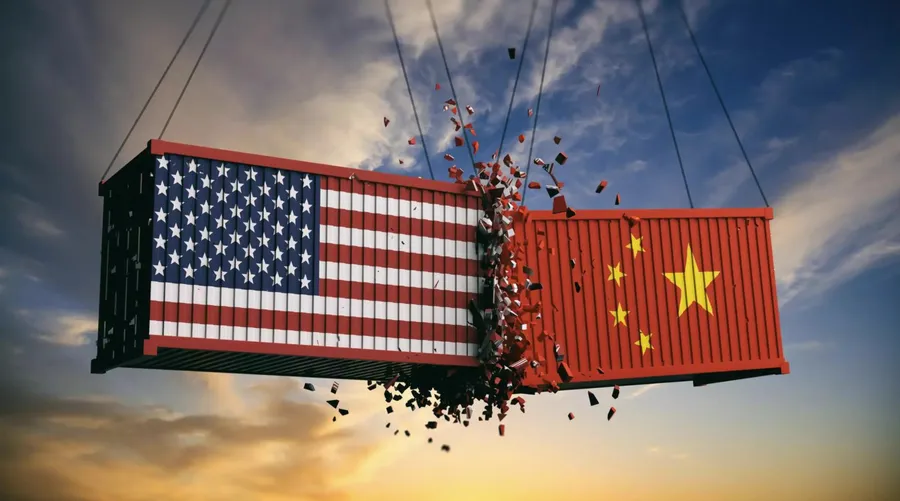
When Countries Fight with Tariffs
Trade wars happen when nations raise barriers against each other’s goods — usually through tariffs — in a cycle of retaliation. While they are often started to protect domestic industries or address perceived unfair practices, the consequences usually spread far beyond the targeted sectors and hurt economies on both sides.
Quick Answer: How Global Trade Wars Impact Economies
Trade wars raise the cost of imported goods, trigger retaliation, disrupt global supply chains, slow economic growth, and increase uncertainty. The US-China trade war (2018–2020) is estimated to have reduced US GDP by up to 0.5%, cost American consumers and businesses hundreds of billions in higher prices and lost exports, and slowed global growth. Effects often last years even after tariffs are reduced.
What Are Trade Wars?
A trade war occurs when countries impose tariffs, quotas, or other restrictions on each other’s imports, usually in response to perceived unfair trade practices or to protect domestic industries. Unlike military wars, they are fought with economic weapons, but the damage can still be severe and widespread.
How Trade Wars Escalate
One country raises tariffs on specific goods. The targeted country retaliates with its own tariffs on different products. This tit-for-tat cycle can quickly expand to cover billions in trade value. Businesses face higher costs, consumers pay more, and investment plans are delayed due to uncertainty.
Direct Economic Impacts
- Higher prices — Tariffs act like a tax on imports, raising costs for businesses and consumers.
- Reduced exports — Retaliatory tariffs close foreign markets for domestic producers.
- Slower GDP growth — Trade volumes fall and uncertainty discourages investment.
- Job losses — Export-oriented industries and sectors reliant on imported inputs are hit hardest.
Disruption to Global Supply Chains
Modern manufacturing relies on complex international supply chains. Tariffs on intermediate goods (components, raw materials) increase production costs worldwide. Companies may relocate factories or seek alternative suppliers, but these shifts take time and money, often leading to temporary shortages and higher prices.
Who Pays the Price?
Consumers ultimately bear much of the cost through higher prices for everyday goods — from electronics and clothing to cars and food. Small and medium businesses that rely on imported inputs often struggle more than large corporations that can absorb or pass on costs.
Real Examples and Data
The US-China trade war that began in 2018 saw the US impose tariffs on over $360 billion of Chinese goods, with China retaliating on $110 billion of US products. Studies estimated US GDP losses of $200–300 billion and global growth reduction of 0.5–1%. Agricultural exports from the US to China dropped sharply, forcing government support payments to farmers.
Long-Term Consequences
Trade wars can fragment the global trading system, encourage the formation of rival economic blocs, and slow technological diffusion. They may also accelerate efforts to diversify supply chains (friend-shoring or near-shoring), permanently changing how goods are produced and traded around the world.
FAQs – How Global Trade Wars Impact Economies
Do trade wars ever benefit anyone?
Some protected domestic industries may gain temporarily, but overall economic losses usually outweigh these narrow benefits.
Can trade wars lead to actual military conflict?
They increase tensions and can contribute to broader geopolitical rivalry, though direct military escalation is rare.
How long do the effects of trade wars last?
Some effects fade when tariffs are removed, but damaged relationships, shifted supply chains, and lost market share can persist for years.
Conclusion – The High Cost of Economic Conflict
Global trade wars demonstrate how interconnected modern economies have become. While they may be started with the intention of protecting national interests, they usually end up hurting consumers, businesses, and overall growth on all sides. Understanding these dynamics helps citizens and policymakers evaluate whether the short-term political gains are worth the long-term economic and diplomatic costs.
Related topics: how sanctions affect countries and economies, global superpowers and their influence in world politics, and how foreign policy shapes international relations.
Data Sources & References
IMF and World Bank reports on trade tensions, studies from the Peterson Institute for International Economics, US International Trade Commission data, and academic analyses of the US-China trade conflict.